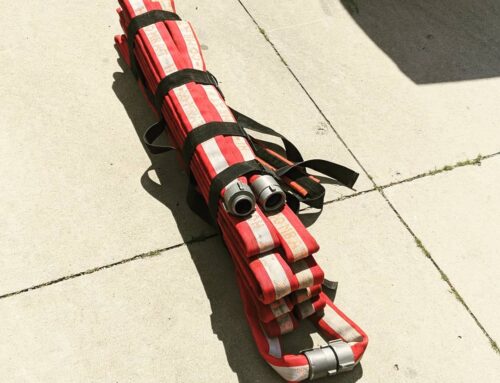

We all know that the abuse fire gear takes and the elements it’s exposed to can cause damage and failure over the course of time. Whether it’s because of thermal stress, mechanical stress, storing it improperly, inadequate maintenance, or any number of other reasons doesn’t matter – it’s critical that issues be discovered and addressed in a timely manner to keep ourselves and our departments safe.
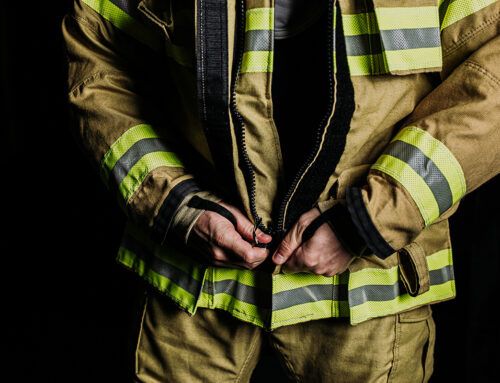
NFPA 1851 sets the standard for the selection, maintenance, inspection and retirement of firefighting PPE (coats, pants, helmets, gloves, hoods, and boots) and provides guidance for those inspections. Department schedules for routine inspections may vary, but gear should also be evaluated after each use. Some damage is obvious and easily noticed in inspections – rips, tears and broken fasteners are clear warning signs. Things like radiant reflectivity loss or delamination of turnout liners may be less obvious but are just as important to notice and have repaired. Additionally, NFPA 1851 requires an annual advanced inspection by the manufacturer, a manufacturer trained organization, or a verified ISP.
Routine Inspection
Routine inspections are so important – for your safety, and to keep costs for the department manageable. You want to keep up on minor repairs before they become irreparable. All PPE gear needs to be inspected by the owner on a regular basis. Fire departments will often require PPE to be inspected on a weekly or bi-weekly schedule – or maybe even daily for firefighters that work full-time. A general rule for PPE inspection is: whenever you are going to use it, inspect it.
Pre-Inspection Cleaning
Clean PPE makes it easier to see any hidden contamination or damages to your gear – as such, your PPE needs to be clean before you start your inspection. Rinse off debris or use a mild, non-chlorinated soap for spot cleaning and then let dry before continuing with your inspection. Keep in mind that leaving gear dirty decreases its usable life. Providing routine care also reduces risk of injury via gear failure or potential long-term health risks from PPE contaminated with fireground particulates. Once initial soiling has been addressed, it’s time to start the inspection.
Tips from Groves ReadyRack for Cleaning Gear:
Inspection of Outer Shell
- Check for color loss/degradation
- If color loss/degradation is found, check material strength
- Check major seams for snags, tears, or other damage
- Check closures, fasters, and reflective material for damage
- Check for holes, rips, etc. (don’t forget to check pockets)
- Check for light exposure damage (compare inside pocket to outer layer to check for differences)
- Check velcro (no white should be showing, and it should make a ripping sound when pulling apart)
- Check for missing buttons/holes where buttons should be
- If issues are found, remove from service until advanced inspection
Inspection of Inner Liner
- Check moisture barrier for discoloration, holes, tears, or burns (the darker an area of discoloration, the higher the heat or duration of exposure)
- Thermal damage can cause material to become brittle – if you tug on an area and the barrier breaks open, the garment must be replaced
- Check around SCBA waist strap for damage
- Check thermal liner for color loss (compare to inner sleeve or let)
- Check thermal liner for burns, holes, etc.
- Check major seams for snags, tears, missing batting, or other damage
- Check all velcro and test all snaps
- Check hand/wrist guards for holes, wear, and delamination
- If you took exceptional heat during a fire, you may need to remove your liner for an internal inspection via inspection openings with someone trained to do so
- If issues are found, remove from service until advanced inspection
Inspection of Other Gear Elements
- All: Rips, cuts, tears, thermal damage, charring, burn holes, melting, discoloration of any layer, damaged or missing reflective trim, broken or missing stitches, loss of seam integrity, and closure integrity.
- DRD: Cuts, tears, cracking, splitting, thermal damage or discoloration and loss of seam/stitching integrity. Check that DRD is properly installed with no extra twists.
- Hoods: Rips, tears, cuts, thermal damage, discoloration in any layer, loss of seam/stitching integrity, and loss of elasticity of face opening.
- Helmets: Cracks, dents, abrasions, bubbling, soft spots, warping and discoloration. Check ear covers for rips, tears, stitching and thermal damage. Look for damaged or missing face and eye protection components, discoloration, crazing and scratching that might limit visibility. Also check hardware for damaged or broken suspension parts.
- Footwear: Cuts, rips, tears, punctures, loss of flexibility, thermal damage, shrinkage, liner inversion and loss of stitching/seam integrity. Check for loss of water resistance; exposed or deformed steel toe, steel midsole and steel shank; overly worn sole tread; and closure functionality.
- Gloves: Cuts, rips, tears, punctures, loss of flexibility, thermal damage, shrinkage, liner inversion and stitching/seam integrity (first signs usually show between thumb and pointer finger).
- If issues are found, remove from service until advanced inspection
Sample PPE Inspection Worksheet from Montgomery County Fire & Rescue
Record Keeping
Important : Once damage is incurred on a garment, any additional exposure to thermal environment could result in injury! Record keeping is meant to reduce safety risks from poorly maintained, contaminated, or damaged PPE.
If you discover any damage during your inspection:
- Complete the proper notification and documentation (as specified in Section 4.3 of NFPA 1851)
- Replace the garment immediately if warranted.
NFPA requires documentation/records maintenance on firefighting PPE (including rental and loaner gear). Record information should include:
- Who gear is issued to
- Manufacturer details
- Inspections, cleanings, and repairs to the gear
- When gear is retired and its disposal method
Advanced Inspection & Repair
NFPA 1851 requires that firefighter turnout gear be sent away to a third party for advanced inspection, cleaning, and repair, once a year, or whenever routine inspections indicate that a problem could exist. This is a more thorough inspection process that includes hydrostatic testing of the vapor barrier. Repairs will be made according to the manufacturers’ recommendations and NFPA requirements. A report is generated by the inspection services and sent back to the department and the user of the PPE to inform them of the findings. Advanced inspections must be conducted by the manufacturer, a manufacturer trained organization, or a verified ISP.
Contact your Rep for help getting advanced inspections, cleaning, or repairs set up for your department.
Retirement
Firefighting PPE will eventually need to be replaced, no matter how well-maintained it is. Structural turnout gear should be retired no more than 10 years from the manufacturing date. Once the protective properties of the turnout gear have been compromised, it’s not safe to use anymore. In addition to the 10 year replacement mandate, replace your turnout gear if:
- Contaminated
- Defective
- Cleaning no longer brings it within wear guidelines
- Worn or damaged beyond reasonable repair
- Not compliant with NFPA standards
- Requirements have changed, making it unusable
In Closing
In the end, routine inspection and maintenance helps ensure safety and prolong the lifespan of fire gear – helping with budgetary constraints at departments as well. If you take care of your gear, it will take care of you!